On Saturday, December 27, 2025
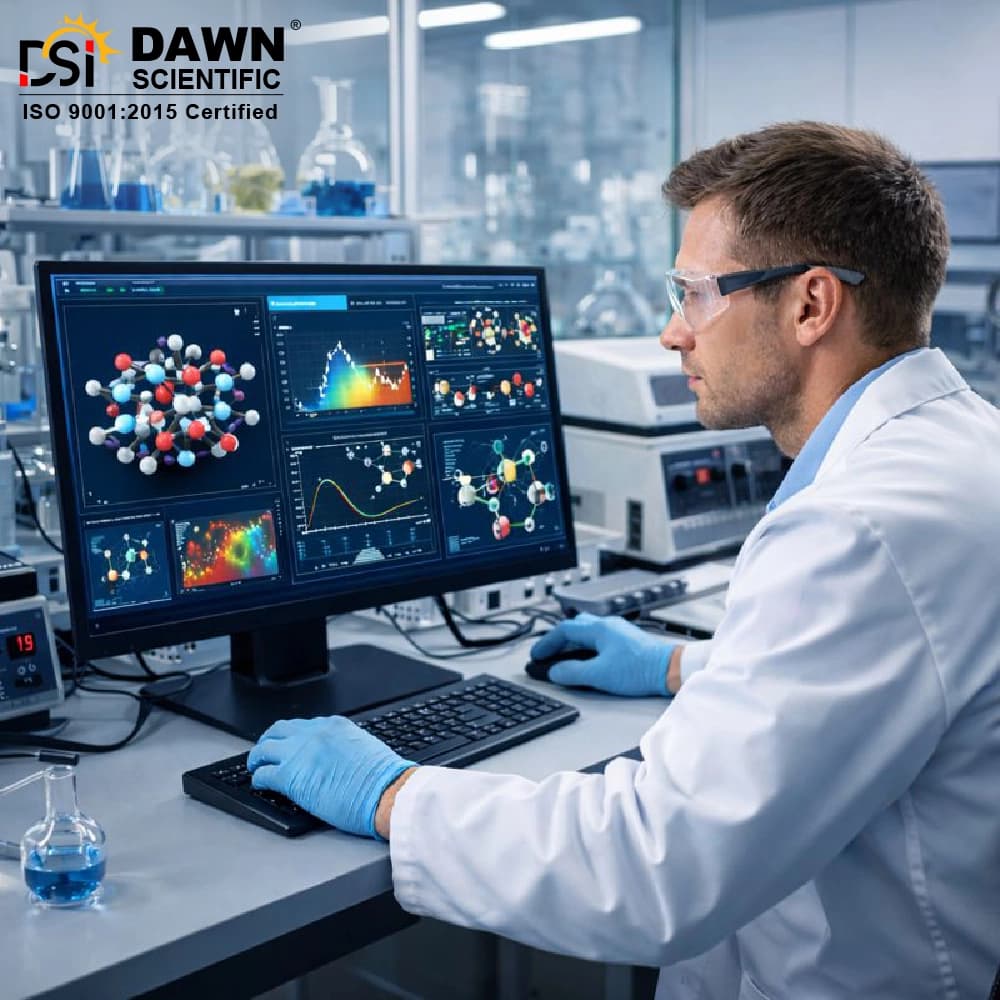
Researchers at Tohoku University have developed a sophisticated AI-based computational system that significantly enhances the design and screening of catalysts used in hydrogen peroxide production. Hydrogen peroxide is a vital chemical in the environmental cleaning processes, laboratory sterilization, and the manufacturing sector. Nevertheless, its traditional massive production processes are energy-consuming, which is why there is a need to focus on cleaner options.
The paper is concerned with an electrochemical reaction of two-electron oxidation of water, which will allow direct generation of hydrogen peroxide using water and electricity. It has proven difficult to design efficient catalysts in this reaction because of the broad range of types of materials that have been used, such as metal oxides, alloys, and single-atom catalysts.
To overcome this complication, the research group proposed a weighted atom-centered symmetry functional, a new property that combines both atomic geometry and chemical identity in a single format. This method, together with machine-learning models and reaction modeling, was found to accurately predict the performance of catalysts of a variety of material classes. The calculations were in great agreement with quantum-mechanical computation and experimental data that had been reported previously.
Under this framework, the researchers discovered that lithium scandium oxide (LiScO2) was a promising catalyst. It was experimentally validated that LiScO2 reached a selectivity of about 90 percent of hydrogen peroxide and remained stable during almost one week of continuous activity. The work, which is published in Angewandte Chemie International Edition, emphasizes the use of AI to accelerate the process of catalyst discovery and minimize the trial-and-error in the electrochemical study.
Dawnscientific is a company that encourages the development of chemistry and materials research by providing a multiplex of laboratory reagents, consumable materials and equipment. The recent developments in AI-based catalyst design and sustainable hydrogen peroxide synthesis make it clear that reliable laboratory equipment and the quality of the chemicals are the key to a reliable research in academic and commercial laboratories.
Disclaimer: All the information on this news is published in good faith and for general information purposes only. The information contained in this news might be provided on an “as is” based on Wikipedia, Google, and other scientific articles. We are not liable for any injuries or damages for the use of the information. Please do your own research before you use this information for any purpose.