
On
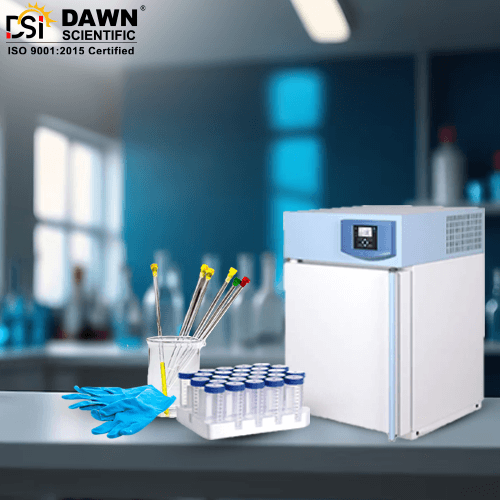
In the green-conscious world we inhabit now, laboratories are discovering ways to reduce their environmental impact. If you have a research laboratory, school laboratory, or industrial lab, going greener doesn’t have to be difficult. The right approach can make a startling reduction of wastage, energy savings, and contribute to a healthier planet without having to sacrifice performance or productivity.
The following are three easy yet effective steps to make your lab an eco-friendly laboratory.
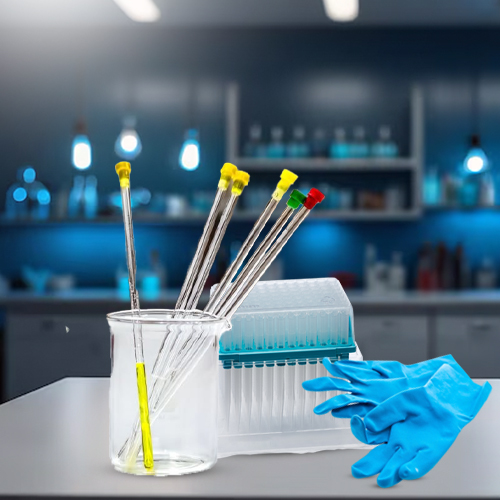
Laboratories are among the largest users of single-use plastics, only after hospitals. Pipette tips, sample tubes, gloves, and packaging are just a few items that significantly end up as landfill waste. A more sustainable lab practice is minimizing or replacing such materials wherever possible.
By adopting more effective waste segregation and recycling, laboratories can minimize their environmental footprint without spending extra money in the long term.

Laboratories use 3–10 times more electricity per square meter than a typical office complex. Fume hoods, incubators, centrifuges all consume heavy power. Wise decisions in equipment and processes can make your laboratory energy-efficient.
Energy-efficient lab operations not only support efforts for green science initiatives, but also cut down on utility bills—a double benefit for your research and the environment.
Equipment and technology updates are significant, but sustainable transformation begins with individuals. Create an environmentally friendly lab culture by training your employees and incorporating green habits into day-to-day work.
Incorporating sustainability into your lab culture ensures long-term dedication and ensures that green habits become second nature to everyone on the team.
Establishing an eco-friendly lab doesn’t have to mean a full-scale transformation. By making small, purposeful changes—such as reducing waste, maximizing energy usage, and establishing a culture of sustainability—you can help build a more sustainable, more responsible lab.
With stricter environmental regulations looming and heightened public concern, sustainable lab practices are not only the right thing to do—it’s the smart thing to do.
We at Dawn Scientific are dedicated to equipping laboratories with sustainable, high-quality laboratory products. Shop our line of eco-friendly lab supplies and start your greener lab today.
Labs are energy-intensive and produce significant amounts of waste in the form of single-use plastics and toxic chemicals. Green labs reduce environmental impact, minimize operational costs, and conform to growing sustainability standards.
Start by converting to reusable plastics rather than disposable ones, buying chemicals and reagents in bulk quantities, and adding recycling points. You can also work with suppliers who use environmentally friendly packaging or a recycling plan for laboratory supplies.
Small adjustments such as closing fume hood sashes, replacing equipment in the laboratory with energy-efficient models, employing timers, and reducing freezer temperatures can drastically reduce energy consumption without affecting laboratory performance.
Start by educating team members about the environmental consequences of laboratory practice. Designate a sustainability ambassador, have quantifiable green targets, and incentivize green behavior. Building it into your lab’s culture is the key to sustained success.
Yes! Saving waste, conserving energy, and buying sturdy equipment typically pay off in the long term. Although some green choices cost more in the beginning, they eventually turn out to be less expensive.