On Saturday, November 29, 2025
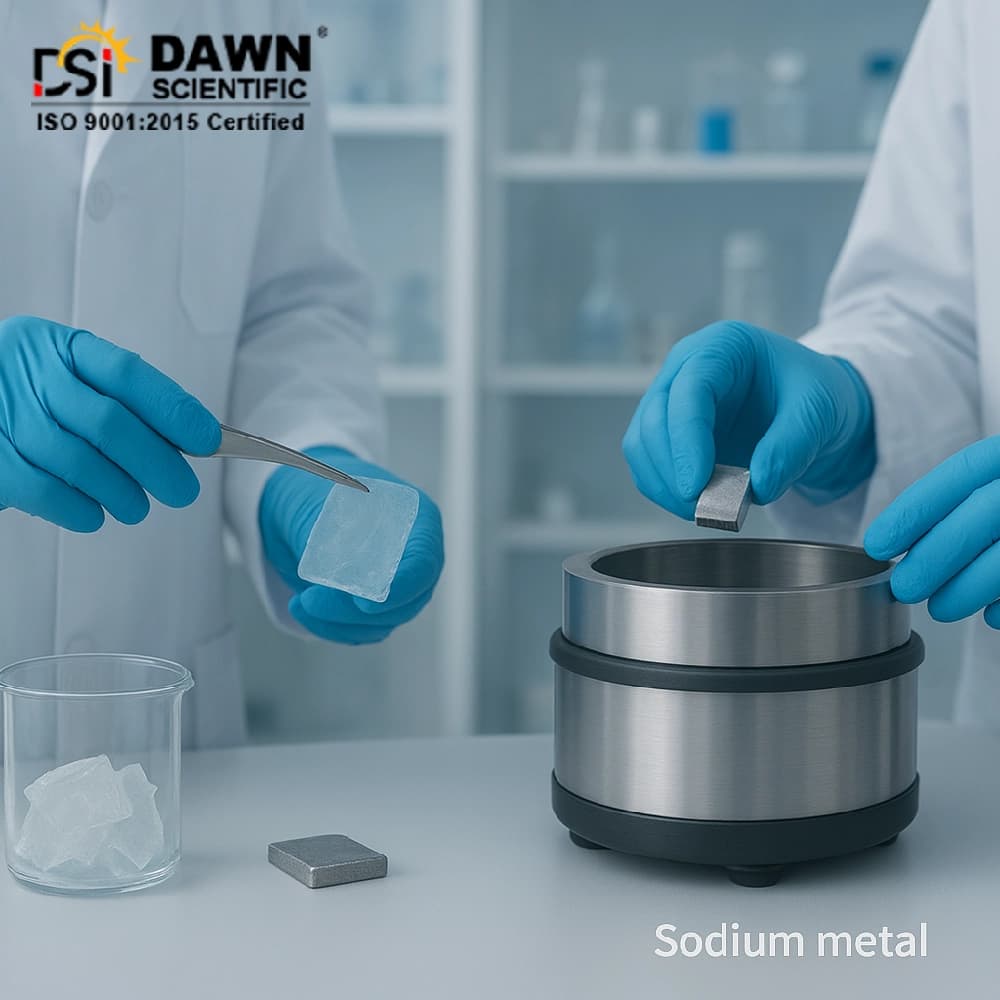
A groundbreaking study from Newcastle University and the University of Birmingham has revealed the first truly practical method for recycling Teflon® (PTFE), one of the world’s most chemically resistant and environmentally persistent plastics. The new process uses only sodium metal and mechanical motion to break down PTFE at room temperature—without solvents, high heat, or harmful emissions.
Published in the Journal of the American Chemical Society (JACS), the research demonstrates that when PTFE and sodium metal are ground together inside a ball mill, the strong carbon–fluorine bonds in Teflon break apart. The result of the reaction is clean sodium fluoride which is highly utilized in toothpaste, water fluoridation, and high-tech materials. This provides a chance to get fluorine out of daily waste instead of using energy-consuming mining.
Recycling of PTFE has been always a problem, since conventional forms of disposal such as incineration may leech out PFAS forever chemicals, termed as significant threats to the environment and human health. A safe, low-energy and waste-free alternative is available by this new mechanochemical approach.
Using the state-of-the-art solid-state NMR spectroscopy, researchers were able to verify the quality of the extracted sodium fluoride and demonstrate that it could be immediately reused in chemical production.
This discovery opens the door to a more sustainable, circular fluorine economy—transforming Teflon waste into valuable raw material and reducing PFAS pollution at its source.
At Dawn Scientific, we share advancements that help labs move toward safer, cleaner, and more sustainable practices. Since we are a supplier of quality reagents, labware, and analysis solutions in the USA, we are convinced that innovations such as this can change the way the laboratories treat materials, waste, and the environment. Keep in touch with us to get further scientific discoveries.
Disclaimer: All the information on this news is published in good faith and for ge neral information purposes only. The information contained in this news might be provided on an “as is” based on Wikipedia, Google, and other scientific articles. We are not liable for any injuries or damages for the use of the information. Please do your own research before you use this information for any purpose.