
On Saturday, November 22, 2025
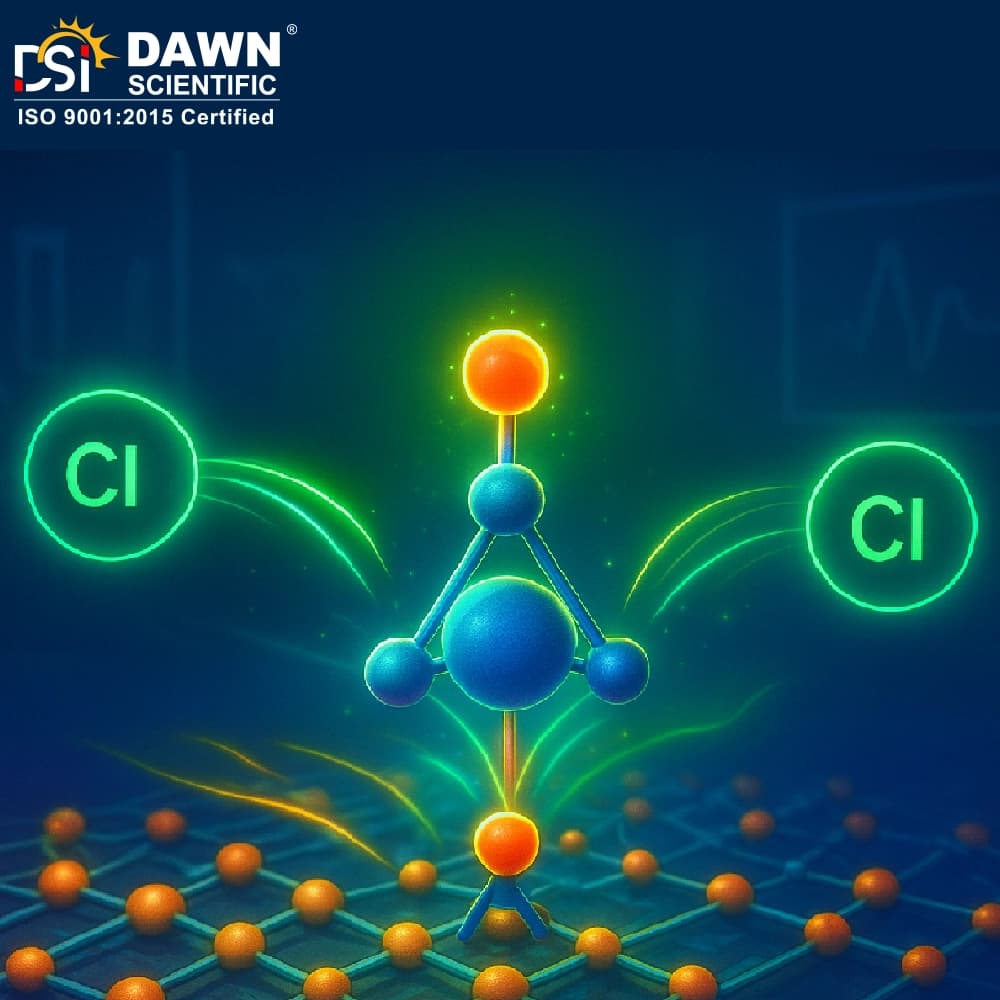
A recent study by Tohoku University presents an example of how the production of chlorine can change through the application of theory-based modeling and data-driven analysis. Chlorine is a commonly used chemical in disinfectants to plastics, but its industrial production is highly dependent on the chlorine evolution reaction (CER), which is an energy-consuming process. The present commercial electrodes incorporate relatively costly noble metals such as ruthenium and iridium that impose limitations in terms of cost and resource.
In order to surmount this difficulty, the researchers used a computational volcano modeling technique with a large sample of already reported CER outcomes. In this approach, the changes in catalytic efficiency that happen as a result of small changes in the energy of the atomic binding energies are mapped. This, together with theoretical screening, gave the group promising non-precious metal single-atom catalysts (SACs), which resulted in the creation of a nickel-based catalyst called NiN3O -O.
NiN3O-O tested under acidic conditions had shown very good results, with a low overpotential of 75 mV at 10 mA/cm 2, producing a chlorine selectivity of 95.8%, which is similar to noble metal-based commercial electrodes. The success of the catalyst is attributed to the presence of an oxygen atom at a strategic position, creating an ideal environment for chloride ion adsorption that effectively directs the reaction, thereby reducing the number of side reactions.
According to researchers, the next significant step towards commercial implementation is the improvement of long-term durability. The next step of work will be to incorporate the catalyst in improved cell systems and conduct tests in the regime of real brine electrolysis to produce a lot of chlorine.
At Dawnscientific, we support scientific development by supplying quality reagents, indicators, solvents, and lab necessities to the research and industrial laboratories in the USA. Our reliability and precision aid in propelling breakthroughs in chemical production, catalysis, as well as research of advanced materials.
Disclaimer: All the information on this news is published in good faith and for ge neral information purposes only. The information contained in this news might be provided on an “as is” based on Wikipedia, Google, and other scientific articles. We are not liable for any injuries or damages for the use of the information. Please do your own research before you use this information for any purpose.