
On Saturday, July 18, 2026
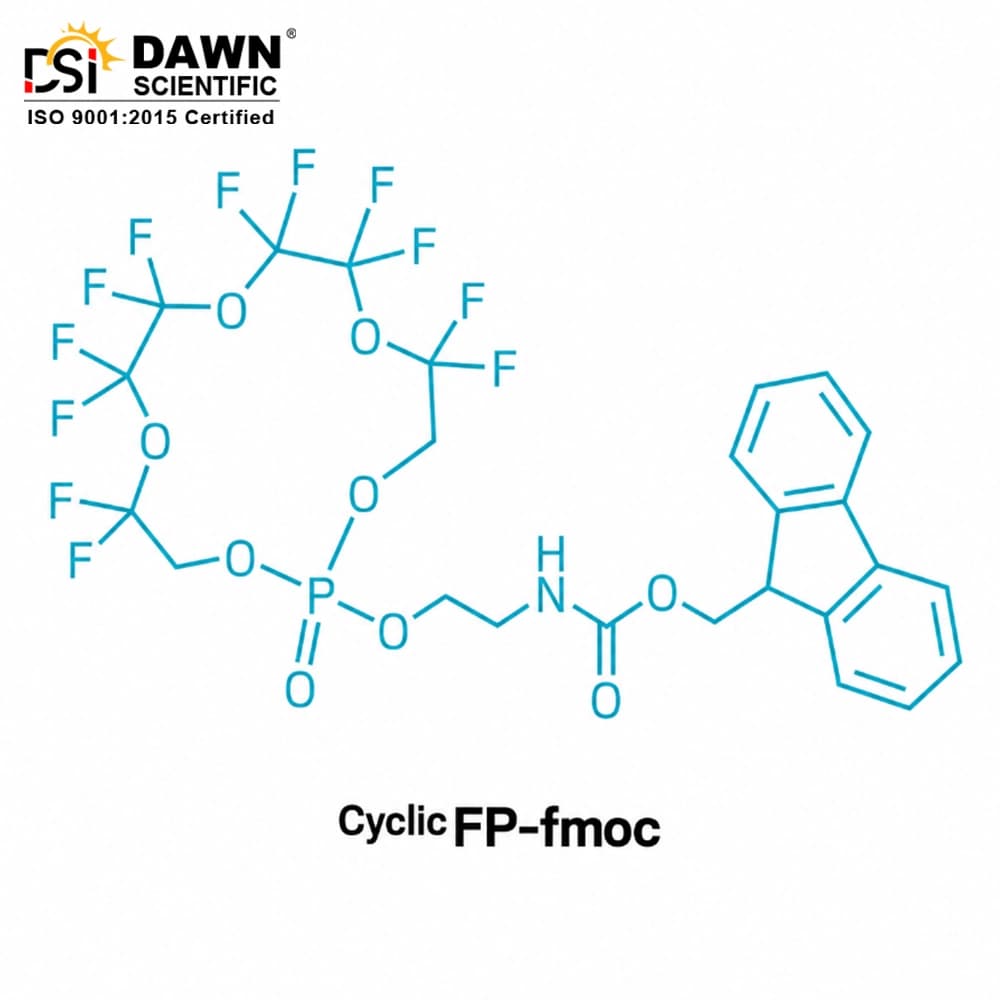
Researchers led by Professor Takuzo Aida, a polymer chemist at the University of Tokyo, have developed an innovative small-molecule adhesive that creates strong, durable bonds on nonstick materials such as polytetrafluoroethylene (PTFE), commonly known as Teflon, while remaining easy to remove and reuse. The research was published in the Journal of the American Chemical Society (JACS) and highlights a promising approach to recyclable, high-performance adhesives.
Conventional adhesives such as epoxies achieve high strength through rigid polymer networks but often become brittle and cannot be removed without damaging the bonded surfaces. According to Professor Aida, the new adhesive combines high adhesive strength, excellent ductility, and easy washability, making it suitable for recycling both the adhesive and the bonded materials.
The research team synthesized a white crystalline fluoro-crown ether phosphate adhesive known as CyclicFP-fmoc. During laboratory testing, the adhesive bonded two untreated PTFE plates using a small contact area of approximately 7 cm². Despite the limited bonding area, the joined plates successfully supported an 8-kilogram load. Lap-shear tensile tests measured an adhesive strength of approximately 1.3 ± 0.1 MPa, exceeding the performance of many commercial epoxy, acrylic, and silicone adhesives.
The adhesive works through a combination of fluorine–fluorine (F–F) interactions between the adhesive and the PTFE surface, while hydrogen bonding and π-π stacking strengthen the adhesive layer itself. One of its most notable features is its removability. A simple rinse with ethanol completely dissolves the adhesive without leaving residue or damaging the bonded surfaces. The recovered material can then be reused repeatedly while maintaining nearly the same bonding performance. Professor Aida also noted that because ethanol is the primary ingredient in many hand sanitizers, similar products could potentially be used for debonding in certain practical applications.
The adhesive could benefit electronics, robotics, and manufacturing by enabling strong, removable bonds. Researchers say its environmental impact should be assessed before commercial use.
Dawn Scientific's is committed to supplying high-quality laboratory chemicals, research reagents, and advanced materials that support innovation in materials science, polymer chemistry, and surface engineering. As adhesive technologies continue to advance, reliable laboratory products play a vital role in enabling accurate research, material development, and sustainable manufacturing.
Disclaimer: All the information on this news is published in good faith and for general information purposes only. The information contained in this news might be provided on an “as is” based on Wikipedia, Google, and other scientific articles. We are not liable for any injuries or damages for the use of the information. Please do your own research before you use this information for any purpose.


